September 2026
Bird Sightings
September was a little cooler than August. In comparison to last September, while the temperatures were similar, this September was wetter and windier with only two days without rain. The weather was less conducive for birdwatching but migration was in full flow with many birds on the move. As in August, coastal areas including Kilbrannan Sound were alive with seabirds, hundreds of birds including gulls, auks, Shags and Gannets all feeding. One observer described being “mesmerised“ by the number of birds in these feeding frenzies.
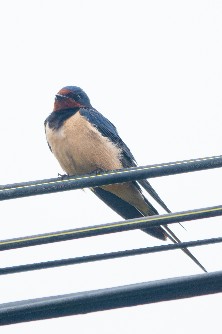
In September, summer visitors were leaving but some were still around including: a Willow Warbler in Shannochie on 4th, a Spotted Flycatcher in Glenashdale on 13th, five Common Sandpiper in Clauchlands on 16th, ten Lesser Black-backed Gull in Lochranza on 18th, a Juvenile Whinchat in Strathwillan on 22nd and a singing Chiffchaff by the Dyemill on 24th. The last record of Sand Martin was twenty at Torbeg on 5th. The largest report of House Martin was fifty at Kingscross on 5th with the last report two at Knockenkelly on 27th. The largest report of Swallow was fifty at Kilpatrick on 22nd. Swallow were being reported up to the end of the month. October should see the last of the Swallows and other summer visitors departing south.
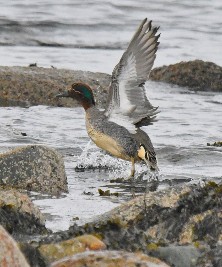
This September there were a few reports of returning winter visitors. These included five Whooper Swan flying over Newton on 14th and eleven Teal in Torbeg on 27th. October should see increasing numbers of these species and others, including Fieldfare, Goldeneye, Pink-footed Geese, Redwing and Wigeon. Look out for them.
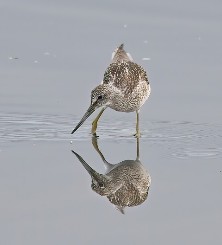
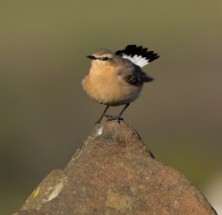
Other species on migration were visible round our coasts including: a Knot at Drumadoon Point on 7th, four Wheatear at Torrylinnwater Foot on 9th, twenty-two Manx Shearwater in Brodick Bay on 21st, six Sandwich Tern also in Brodick Bay on 24th, five Greenshank in Torbeg on 27th and a Dunlin in Catacol Bay on 28th. In addition there were reports of Bar-tailed Godwit and of Black-tailed Godwit. For more information on Godwit on Arran click here.
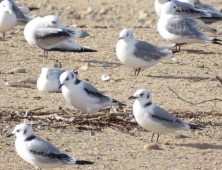
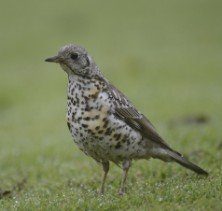
At this time of year birds begin to flock together, often in preparation for migration. Reports included; five hundred Common Gull in Machrie Bay on 5th, one hundred and thirty-two Greylag Geese in Clachaig on 8th, fifty Linnet in Kilpatrick on 10th, two hundred Starling in Feorline on 11th, thirty-eight Golden Plover at Dougarie on 13th, eighty-four Ringed Plover in Blackwaterfoot on 14th, two hundred Shag on Hamilton Rock on 23rd, fifty Turnstone in Lamlash on 26th, seventy Meadow Pipit at Corriegills on 26th, three hundred Guillemot in Brodick Bay on 28th, one hundred Gannet in Kilbrannan Sound on 29th, fifty Chaffinch in Lagg also on 29th, twenty-three Mistle Thrush in Glen Sannox on 30th and five hundred Kittiwake in Catacol Bay also on 30th. This gives an insight into the numbers of birds that are on the move at this time of year.
Other interesting sightings this month included: two Red-throated Diver off Pirnmill on 1st, two Goosander in Sannox Bay on 11th, a Moorhen in Port na Lochan on 20th, six Long-tailed Tit in Strathwillan also on 20th, nine Black-throated Diver in Machrie Bay on 22nd, nine Grey Heron in Cordon on 23rd, a pair of Golden Eagle with one young flying together over the northern mountains on 24th, four Little Grebe in Loch Ranza on 26th and a Snipe in Torbeg on 27th. In September there were six reports of Kingfisher from various locations including two by the youth hostel in Lochranza. In addition there were eighteen reports of Little Egret including five flying over Brodick Ferry Terminal on 28th .
Finally, my thanks to all the “volunteers” who took part in the Eider survey in September. The largest group reported was ten in Lamlash Bay on 22nd . There will be a brief report on this in the October Notes.